The Respiratory System
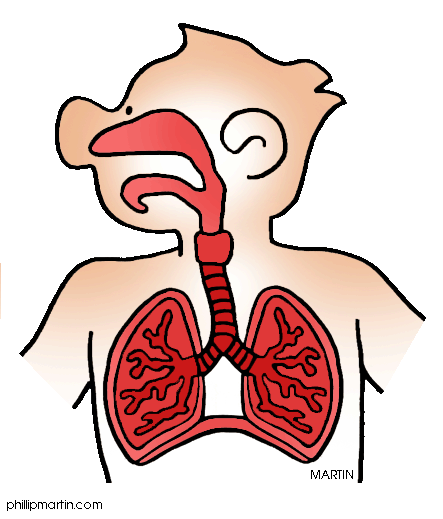
The respiratory system is the part of the body that controls your breathing or respiration. The job of the respiratory system is to transfer oxygen to the blood and to exhale carbon dioxide. The respiratory system is made up of the lungs, nose, mouth, and throat.The air is pumped into the alveoli by the lungs where diffusion transfers oxygen into the body and carbon dioxide out of the body.
The respiratory system helps to maintain homeostasis by regulating the amount of carbon dioxide in the body and distributing oxygen so that ATP can be made and all of the other life functions can be carried out. The respiratory system fuels the other lie functions which helps to keep the internal environment stable.
The body systems all rely and interact with each other to work properly. The Respiratory system interacts with the circulatory system by supplying the circulatory system with the oxygen that it needs distribute to the rest of the body. Also they interact by the circulatory system providing the respiratory system with the carbon dioxide that it needs to exhale.The Respiratory System also interacts with the Nervous system. The nervous system monitors the carbon dioxide and oxygen levels in the body and regulates the rate of respiration to keep the levels consistent and maintain homeostasis. The Respiratory System is a vital part of the human body.
The respiratory system helps to maintain homeostasis by regulating the amount of carbon dioxide in the body and distributing oxygen so that ATP can be made and all of the other life functions can be carried out. The respiratory system fuels the other lie functions which helps to keep the internal environment stable.
The body systems all rely and interact with each other to work properly. The Respiratory system interacts with the circulatory system by supplying the circulatory system with the oxygen that it needs distribute to the rest of the body. Also they interact by the circulatory system providing the respiratory system with the carbon dioxide that it needs to exhale.The Respiratory System also interacts with the Nervous system. The nervous system monitors the carbon dioxide and oxygen levels in the body and regulates the rate of respiration to keep the levels consistent and maintain homeostasis. The Respiratory System is a vital part of the human body.